Custom
Custom spindle bearings for machine tools
Spindle bearings made to the machine, when the published catalog series does not already cover the envelope, the pairing, or the cage.
The bearing
A custom spindle bearing is made to the machine: the envelope, the contact angle, the cage, the pairing, and the lubrication. Work on friction, lubrication, and ring material is part of that build. There is no stock model list.
P4 and P2 are the grades of the published 718, 719, 70, and 72 series, not an automatic grade of a non-standard build. If the designation is already one of those series, or H719, H70, a ceramic line, a cylindrical roller, a 60° ball-screw support, or BAR10/BTR10, use that catalog page.
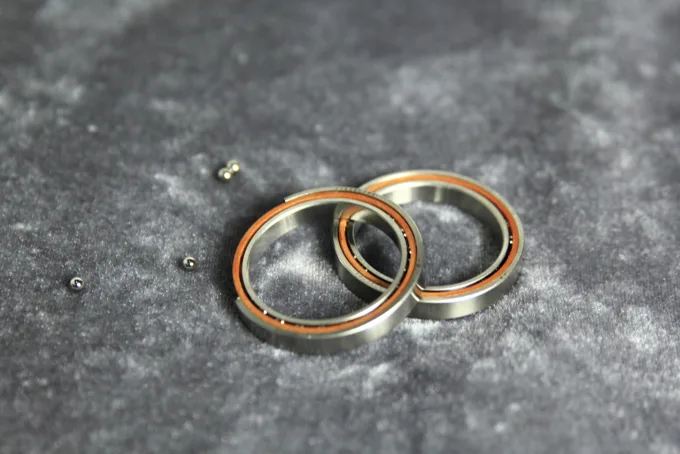
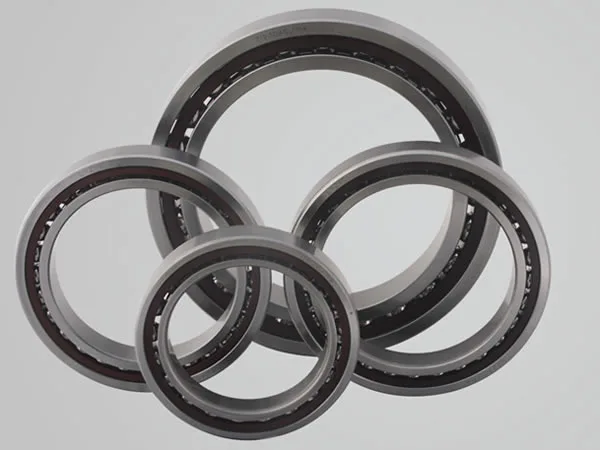
The photographs show angular-contact ball bearings: a pair with an orange cage and loose balls, a run of thinner rings, and a group with a dark cage. The markings are not order numbers. Speed, preload, and grease are set from the duty.
| Question | Where the answer is |
|---|---|
| Published model list on this custom page | None |
| Standard 15° and 25° series 718, 719, 70, 72 | Angular-contact catalog |
| High-speed and ceramic-ball lines | High-speed and ceramic |
| Radial stiffness, N, NN, NNU, HCN10 | Cylindrical roller |
| 60° ball-screw supports 7602, 7603, BS | Ball-screw supports |
| 30° and 40° thrust angular contact BAR10, BTR10 | BAR10 / BTR10 |
Product photographs
When a catalog series is not enough
Most CNC and grinding spindles are covered by a published series: a 15° or 25° angular-contact bearing in 718, 719, 70, or 72, sometimes with ceramic balls, sometimes backed by a cylindrical roller for radial stiffness, and with a 60° bearing on the ball screw or a 30°/40° thrust angular-contact bearing where the catalog already says so. Check those pages before asking for a special.
A custom build is the right conversation when the envelope is not an ISO boundary, when the contact angle, the ball complement, or the cage is outside the sheet, when the pairing (back-to-back, face-to-face, tandem) and the spacer have to be ground to a preload the catalog does not list, or when the lubricant is oil-air, a set grease life, or a minimum-oil arrangement the standard line does not describe. The geometry comes from the drawing, not from a stock sheet.
Preload is a trade, not a virtue. More preload raises stiffness and lowers the speed at which the bearing runs hot. Less preload runs cooler and lets the ball skid if the spindle is too lightly loaded. Ceramic balls lower the mass of the complement and help at high speed; they also change the fit and the matching with a steel ring. A phenolic cage, the orange colour in the photograph, is a common high-speed choice and is not itself a proof of speed. Nylon and other polymers trade temperature for cost and for grease retention. None of those choices is published as a default for this category.
Arrangement matters as much as the single bearing. Two bearings back-to-back take a moment. Face-to-face is more forgiving of misalignment and less stiff. Tandem shares a thrust in one direction and needs a bearing facing the other way. The spacer width is how the preload is set once the bearings are a matched set. Send the arrangement you have, or the stiffness and the speed you need, and do not assume a universal stack.
What the drawing needs
If you already have a designation such as 7014 or H719, start on the catalog page and ask Songju to confirm that exact line. This custom page is for the spindle that does not match those sheets.
For a new spindle, the useful description is the bore and the outside diameter you can actually house, the speed, the radial and axial loads, the tool or wheel that sets the moment, the lubricant system, and whether the bearings are sold as a matched set with a spacer. A housing drawing is better than a prose description.
Published series, grades, and the speed notes that go with them stay on their own catalog pages.
Mounting a spindle set
A matched set is a set. Do not swap one bearing out of a pair and keep the old spacer: the preload was in the spacer and in the stand-out of the rings. Mark the order and the direction before the stack comes apart.
The fits on a spindle are tight, and the way the ring is heated or pressed decides whether the race goes out of round. Press or heat the ring that is moving. Never drive through the balls. Keep the housing shoulder square; a cocked outer ring shows up as heat, not as a convenient running-in period.
Cleanliness is the life of a precision spindle bearing. One hard chip in the grease, or a fingerprint on a race that then runs dry of oil film, is enough to start a track. Leave the preservative on until the housing is ready, unless the lubricant specification says the preservative must come off. That instruction belongs to the inquiry, not to a guess.
After installation, the first running should be at a speed and a load the design allows, long enough for the grease to distribute if the bearing is grease-lubricated. There is no published run-in schedule on Zhongyue’s custom page.
What to send with the inquiry
Write to jin@luoyangsongju.com with the duty and the bearing you need matched.
jin@luoyangsongju.com- ▸Published designation, if one exists; otherwise bore, outside diameter, and width
- ▸Speed, radial load, axial load, and any moment from the tool or wheel
- ▸Contact angle, arrangement, and whether a matched spacer is required
- ▸Cage and rolling element if you already know them: steel or ceramic, phenolic or another polymer
- ▸Lubricant: grease, oil-air, oil mist, or jet
- ▸Housing and shaft fits, or the spindle drawing
Questions before you enquire
Is this the same as the 718, 719, 70, and 72 pages?
No. Those are the published standard series, with P4 and P2 in the catalog. This page is for a spindle bearing made to the machine when that catalog does not cover it.
Is there a stock model list?
No. If the designation is already a published series, use that page. Otherwise send the envelope, speed, loads, and lubricant.
Does the orange cage in the photograph mean a particular speed?
No. It shows a cage of that colour on the bearings Zhongyue photographed. Speed, preload, and grease are confirmed from the duty.
How is the final specification fixed?
Send the envelope, the speed, the load, and the lubricant. The specification is confirmed against that duty at jin@luoyangsongju.com.
Manufacturer quality certificate
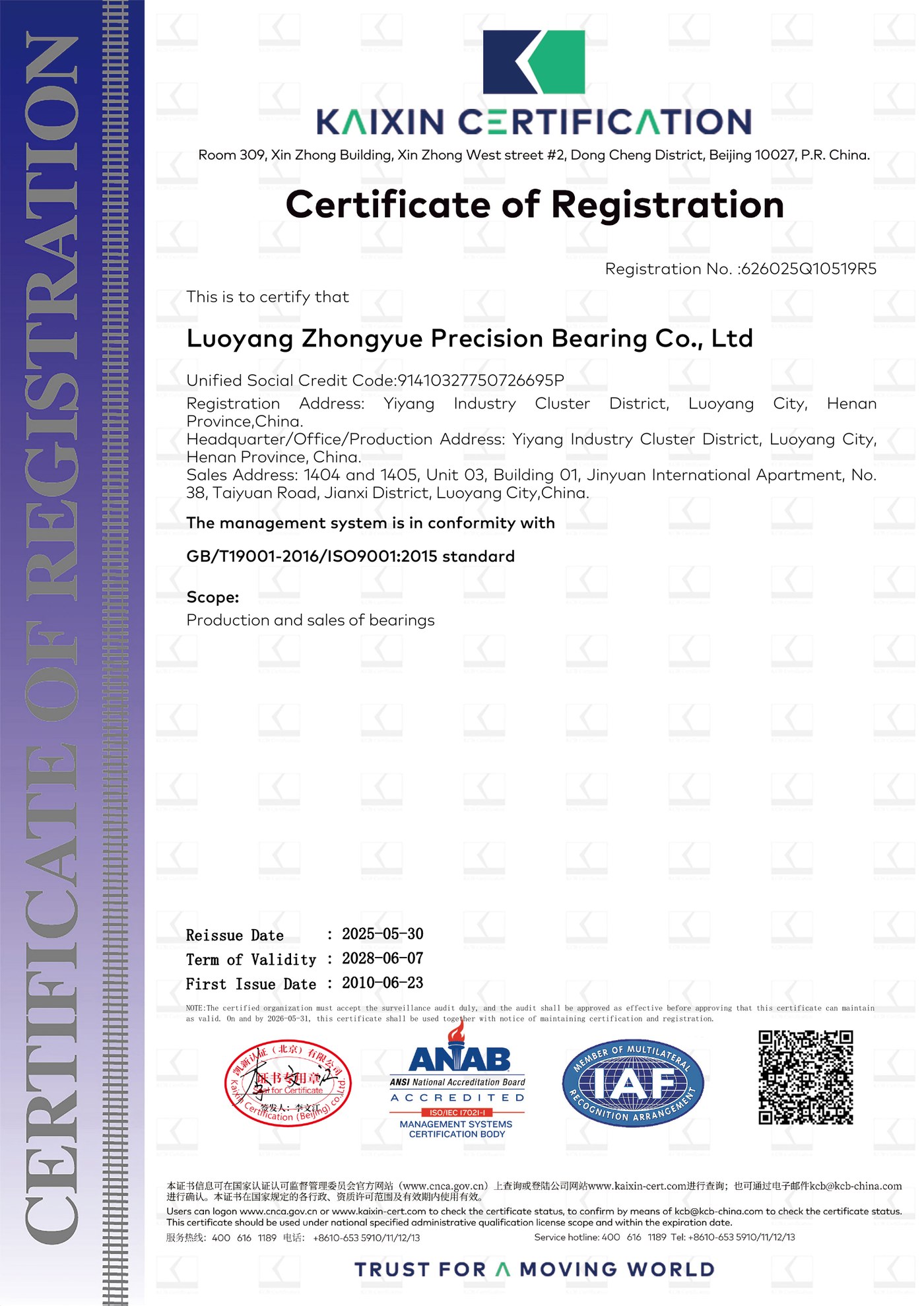
Zhongyue’s quality management system is certified to GB/T 19001-2016 / ISO 9001:2015 for the production and sales of bearings. The certificate is held by Luoyang Zhongyue Precision Bearing Co., Ltd. Confirm current validity with the certification body.
- Holder
- Luoyang Zhongyue Precision Bearing Co., Ltd.
- Standard
- GB/T 19001-2016 / ISO 9001:2015
- Registration no.
- 626025Q10519R5
- Issuer
- Kaixin Certification (Beijing) Co., Ltd.
- First issue
- 23 June 2010
- Reissue / valid through
- 30 May 2025 / 7 June 2028
- Scope
- Production and sales of bearings
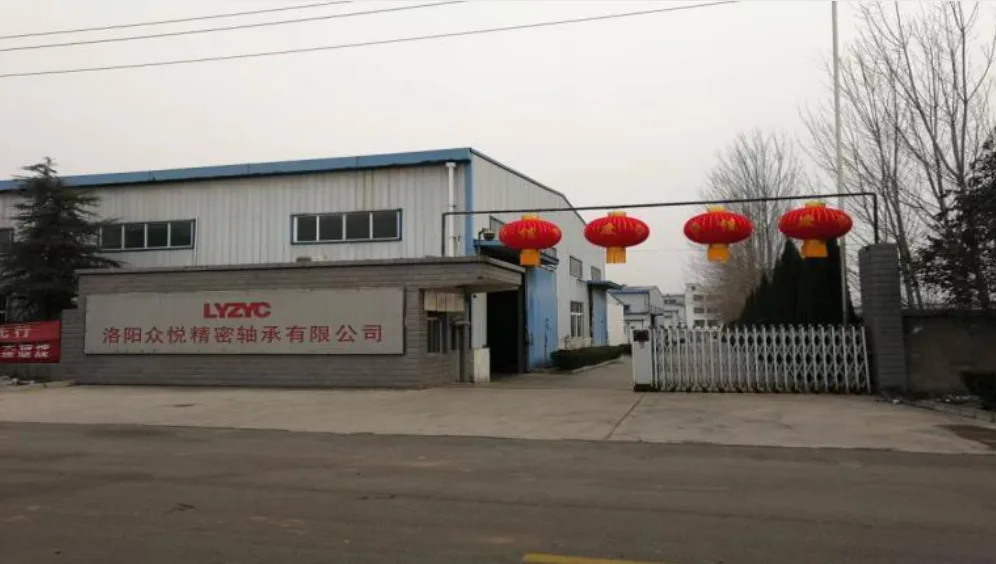
The Zhongyue plant
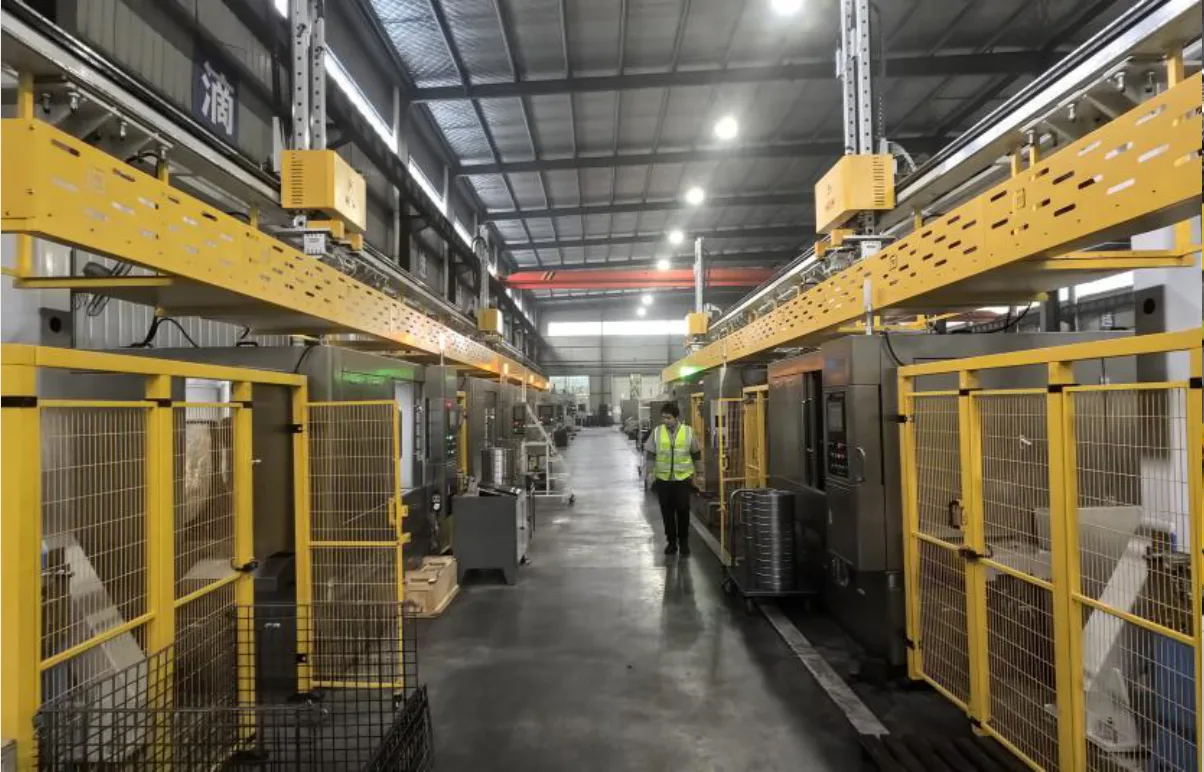
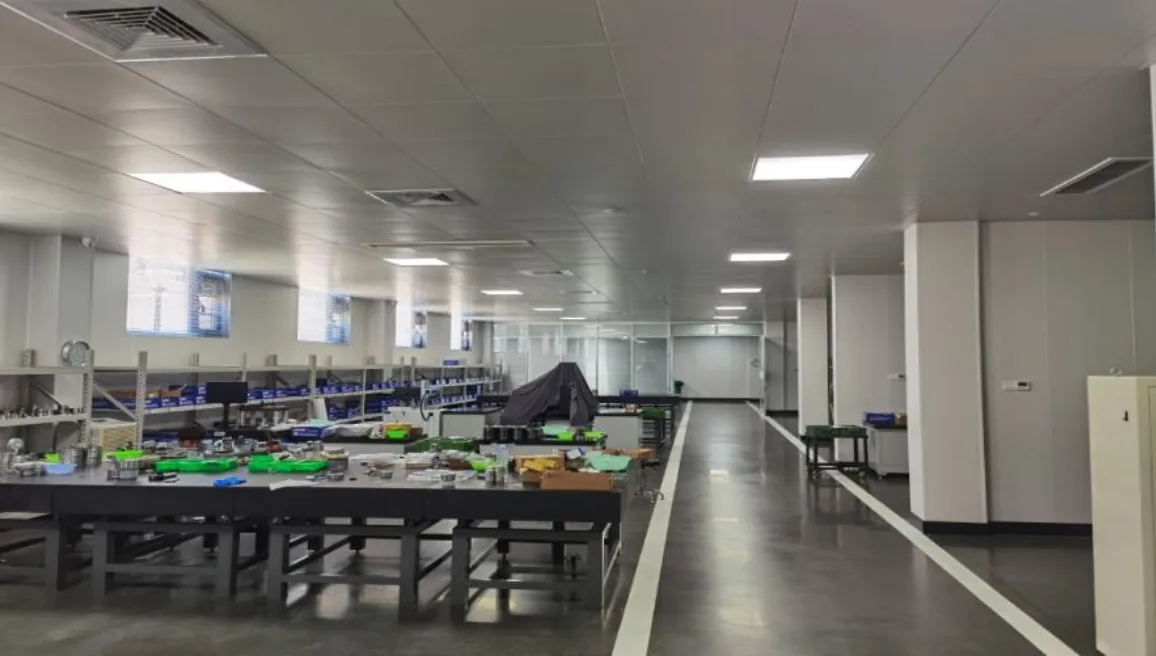
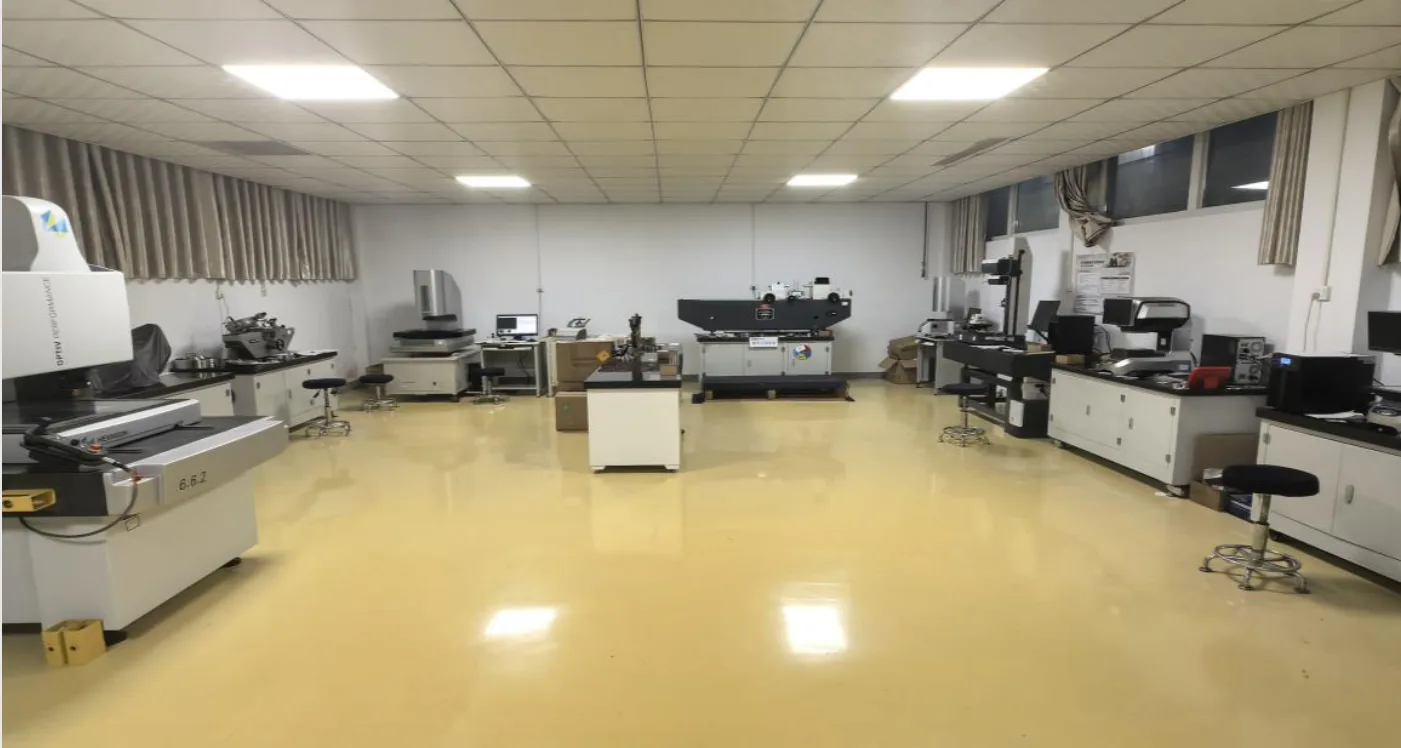
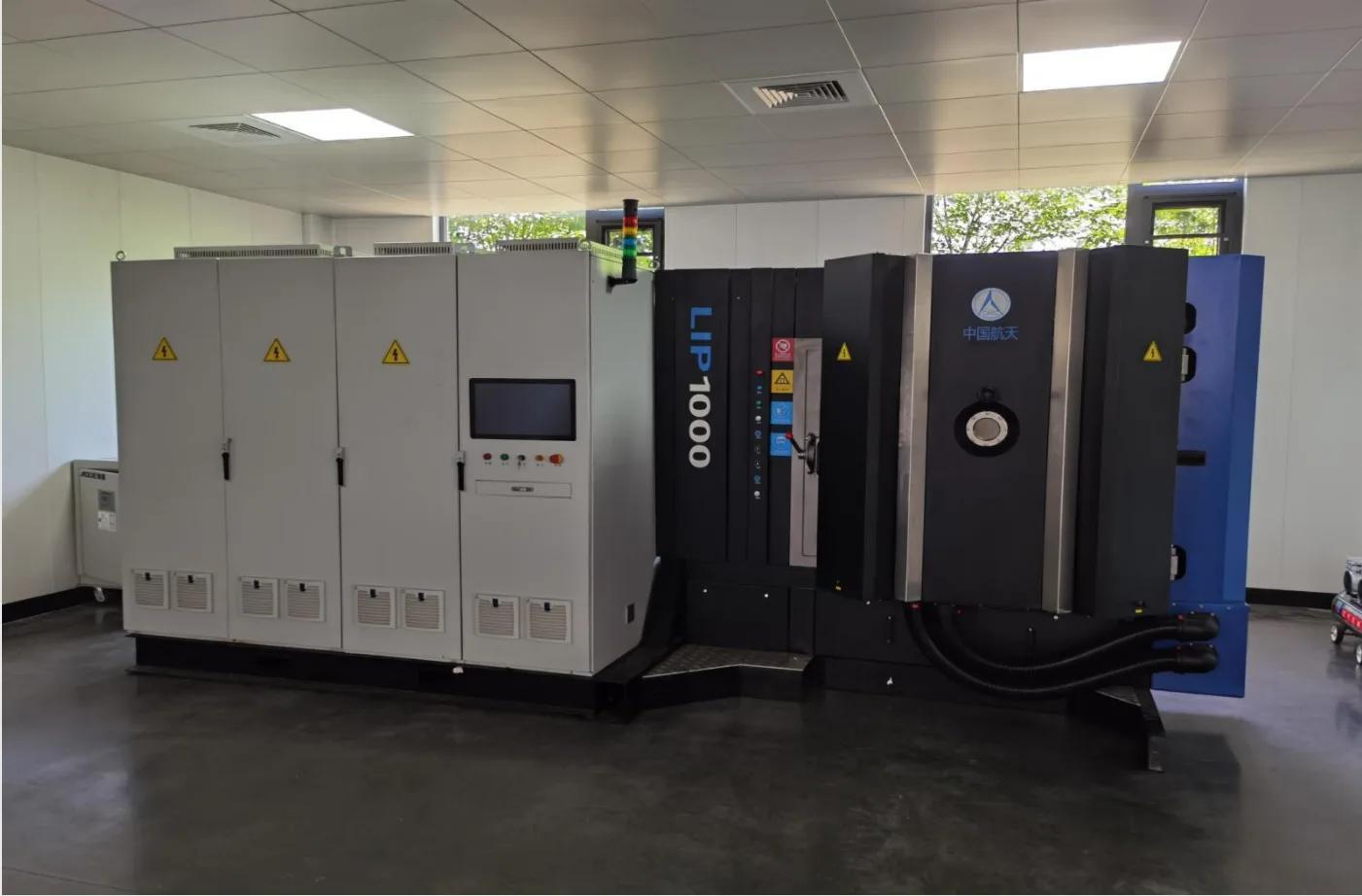
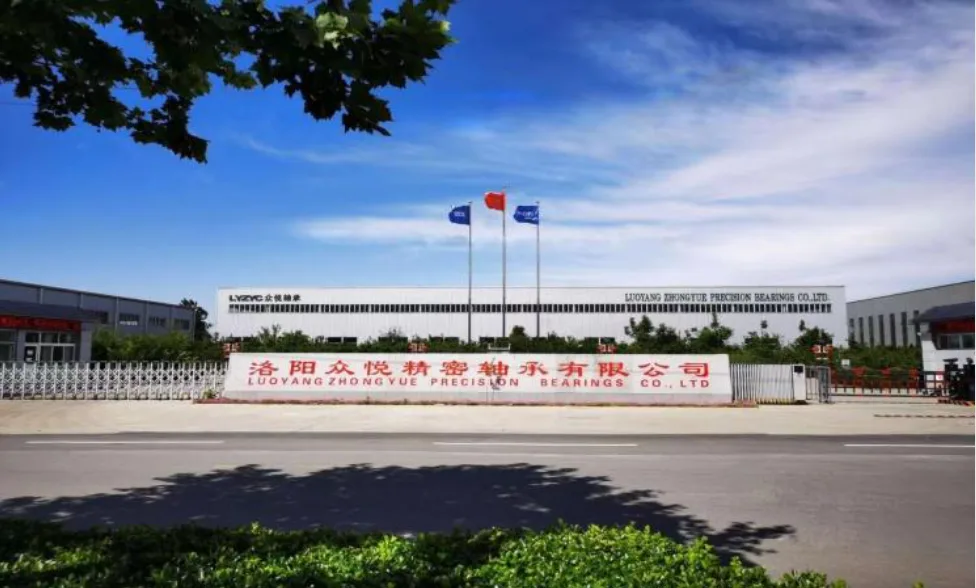
Zhongyue runs two campuses, over 46,000 m² in total, with 30,000+ m² of workshops and offices, 150+ people, 400+ bearing machines, and 500+ inspection instruments.


Machines, metrology, and materials
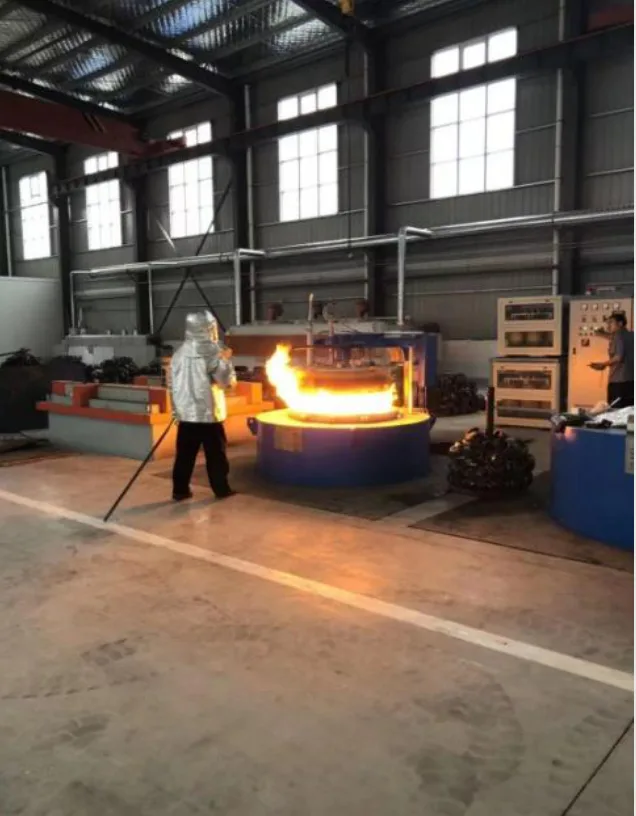
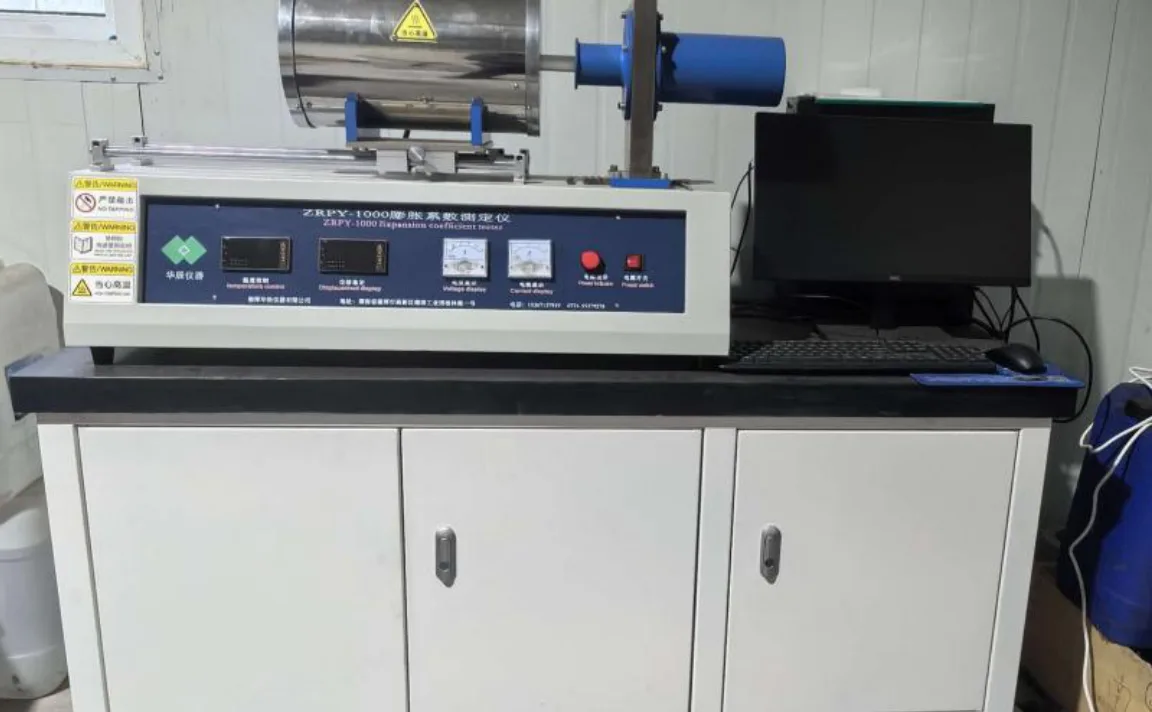
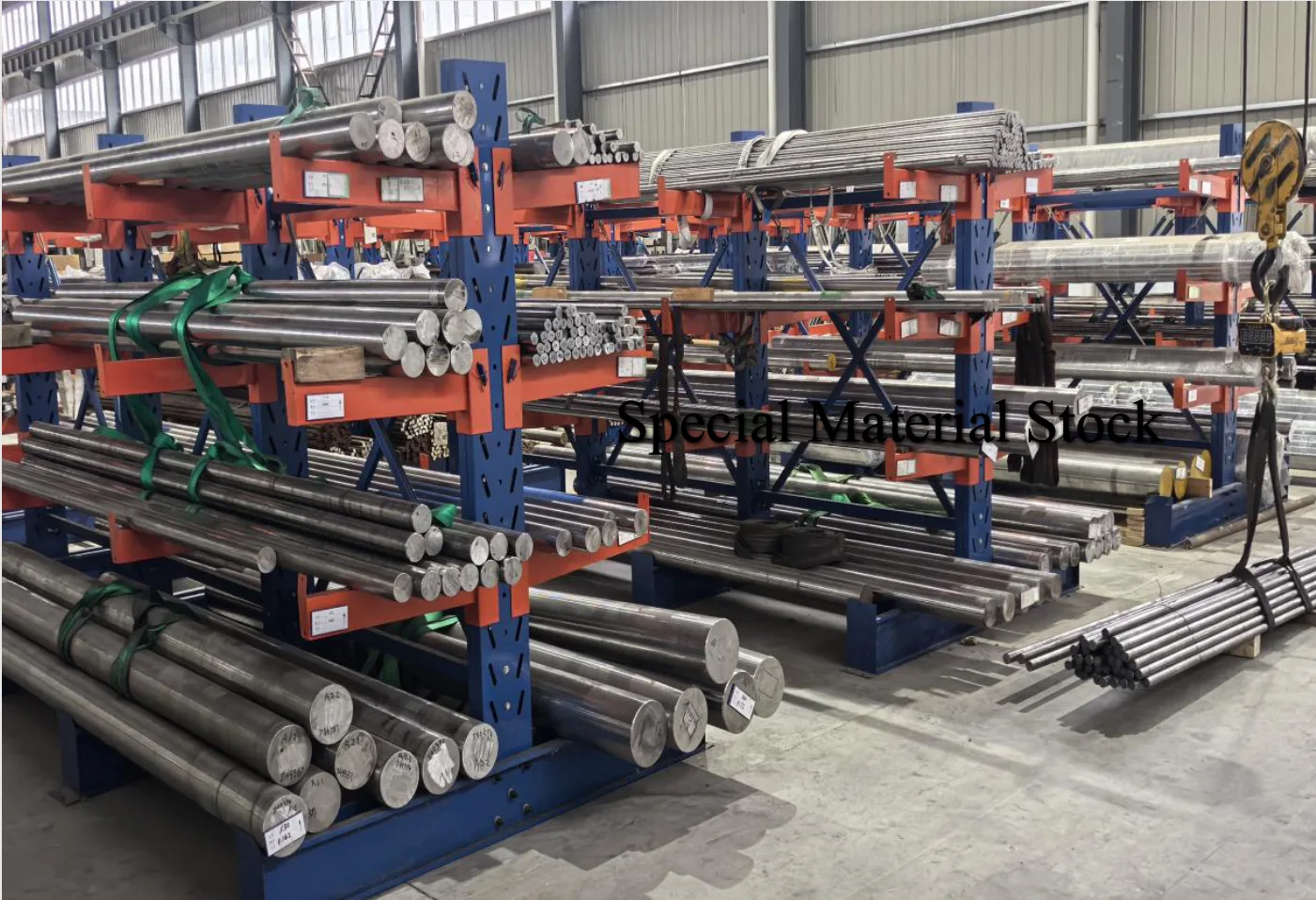
Special-material stock includes bearing steel ZGCr15, stainless 9Cr18 and 9Cr18Mo, high-nitrogen stainless X30 and X40N, and high-temperature steel M50. Heat treatment includes vacuum quenching and a cryogenic treatment step at −196°C. That step is part of manufacture, not a running-temperature rating.