Custom
Precision bearings for metallurgy equipment
Bearings for iron and steel rolling, where heat, scale, water, and both very high and very low speeds can sit in the same plant.
Duty in the mill
These bearings are for iron and steel making: roughing, finishing, and other mill work. They are built for high temperature, high speed, very low speed, water, scale, and contamination.
The duty calls for stable running, high precision, a large carrying capacity, heat resistance, and low friction. A high-speed wire-rod finishing block is a different bearing and is described on its own page. There is no model list and no published speed or load table: the bearing is made to the stand.
Send the stand, the roll-neck diameter, the speed from crawl to full schedule, the temperature at the chock, and whether cooling water reaches the bearing.
| Published point | What is actually stated |
|---|---|
| Processes | Iron and steel making, rough rolling, precision rolling, and related work |
| Conditions | High temperature, high speed, ultra-low speed, water, contamination, other harsh service |
| Properties named | Stable running, high-speed rotation, high precision, large carrying capacity, high-temperature resistance, low friction |
| Model table | None on this page |
| Wire-rod wording | Mentioned here, and treated in full on the separate wire-rod page |
Product photographs
Load, water, and speed
A roll neck is not a machine-tool spindle. When the bar bites, the load arrives as a shock. The roll bends, so the bearing sees misalignment as well as radial force. As the roll warms, its length changes, and the stand still has to be set for the section being rolled. The bearing arrangement has to allow that axial float or the chock takes the thrust.
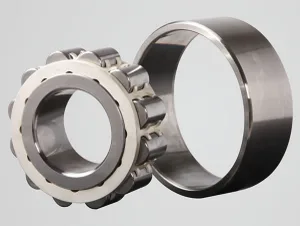
Water is there to cool the roll, and scale comes off the steel. Both reach a bearing that is not well shielded. Water dilutes grease, rusts a ring that was not made for it, and washes debris into the race. A sealed bearing keeps that out and also traps heat. An open bearing can be flushed with oil and is more exposed. Zhongyue has not published which of those constructions this category uses. The photograph shows a separable outer ring, which is a familiar mill arrangement because the roll can be changed while part of the bearing stays with the chock. Treat the photograph as evidence of a construction, not as a dimensioned drawing.
High speed and ultra-low speed are both named, and they are opposite problems. At high speed the limit is heat, cage strength, and the lubricant film. At a crawl, including start-up and some roughing passes, the film may never form, and the surfaces run in boundary lubrication. A grease or a clearance chosen for one end of that range can be wrong for the other. There is no published speed figure on this page to hide that choice.
Hot-strip and cold-mill temperatures are not interchangeable. The temperature that matters is the temperature at the chock, after cooling water has done its work, not the temperature of the steel in the roll gap. Clearance, ring material, and lubricant follow that number, and the number has to come from the mill.
How to choose
Start with the stand: roughing, intermediate, finishing, a coiler, a shear, or another machine in the mill. Send the roll-neck diameter, the speed from the slowest crawl to the top of the schedule, whether cooling water reaches the bearing, and the oil or grease the chock already uses.
If the machine is a high-speed wire-rod finishing block, use the high-speed wire-rod mill page as well. Songju will say which description fits. An older transcribed table for wire-rod work still sits on the special-purpose page. That table uses different designations and is not copied here.
Standard machine-tool series, the 718/719/70/72 angular-contact bearings and the N/NN cylindrical rollers, are catalog products for spindles. They are the wrong starting point for a roll neck unless the drawing already calls one of them out.
Fitting, care, and what fails first
Mark the chock and the rings before they come apart. A separable outer ring has to go back with the inner assembly it ran with. Mixing rings from two bearings is a common way to lose the internal clearance the mill was set for.
Press on the ring that is being seated. Driving the load through the rollers leaves dents that then shed the surface under the next shock load.
Do not wash a preservative into an oil system, and do not pack a bearing that was meant to be oil-circulated. After water has been through a chock, the useful question is whether the seal was supposed to hold grease or to let oil pass. Guessing, and pumping grease until it appears at the seal, can push water deeper in.
Keep spares identified by stand. A bearing that survived in a slow roughing stand is not evidence that the same part will survive the finishing speed.
What to send with the inquiry
Write to jin@luoyangsongju.com with the duty and the bearing you need matched.
jin@luoyangsongju.com- ▸Mill and stand: roughing, intermediate, finishing, or the machine name
- ▸Roll-neck diameter, and any drawing or chock number
- ▸Speed range, including the slowest speed, and whether the load is shock or steady
- ▸Temperature at the bearing, and whether cooling water or scale reaches it
- ▸Lubricant in use today: grease, circulating oil, oil-air, or something else
- ▸What failed last time, if this is a replacement
Questions before you enquire
Is there a size list?
No. The bearing is made to the stand. Send the neck diameter, the speed range, and whether water reaches the bearing.
Does this page cover high-speed wire-rod mills?
A high-speed wire-rod finishing block has its own page. Roughing and general mill work start here. Name the stand so the bearing can be confirmed.
Can you quote a speed or a load from this category?
Speed and load depend on the stand. Send the neck diameter and the speed range, including the slowest speed, to jin@luoyangsongju.com.
Is every bearing in this category a P4 or P2 spindle bearing?
No. P4 and P2 are the published grades of Zhongyue’s angular-contact catalog. They are not printed as the grade of this metallurgy category.
Manufacturer quality certificate
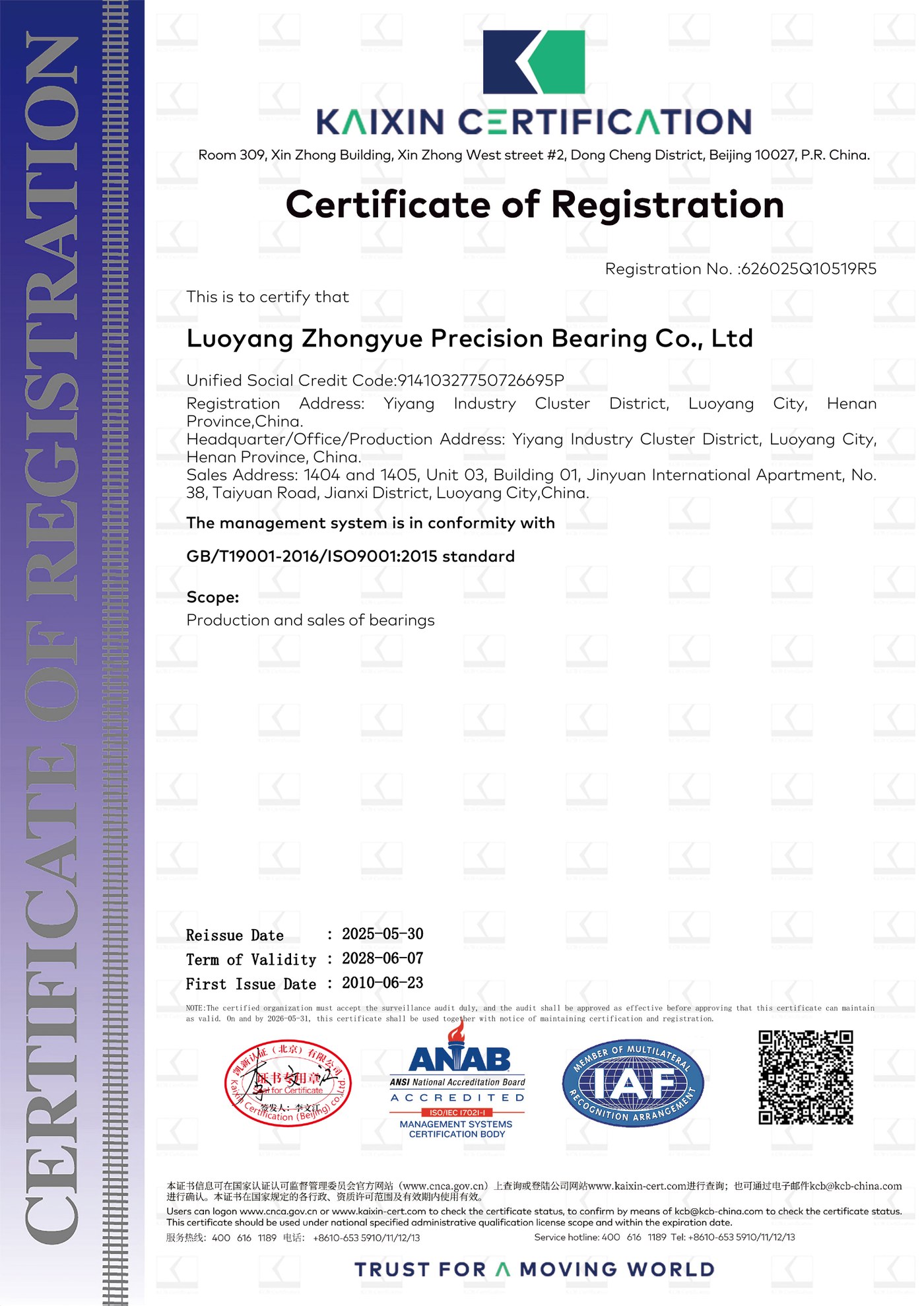
Zhongyue’s quality management system is certified to GB/T 19001-2016 / ISO 9001:2015 for the production and sales of bearings. The certificate is held by Luoyang Zhongyue Precision Bearing Co., Ltd. Confirm current validity with the certification body.
- Holder
- Luoyang Zhongyue Precision Bearing Co., Ltd.
- Standard
- GB/T 19001-2016 / ISO 9001:2015
- Registration no.
- 626025Q10519R5
- Issuer
- Kaixin Certification (Beijing) Co., Ltd.
- First issue
- 23 June 2010
- Reissue / valid through
- 30 May 2025 / 7 June 2028
- Scope
- Production and sales of bearings
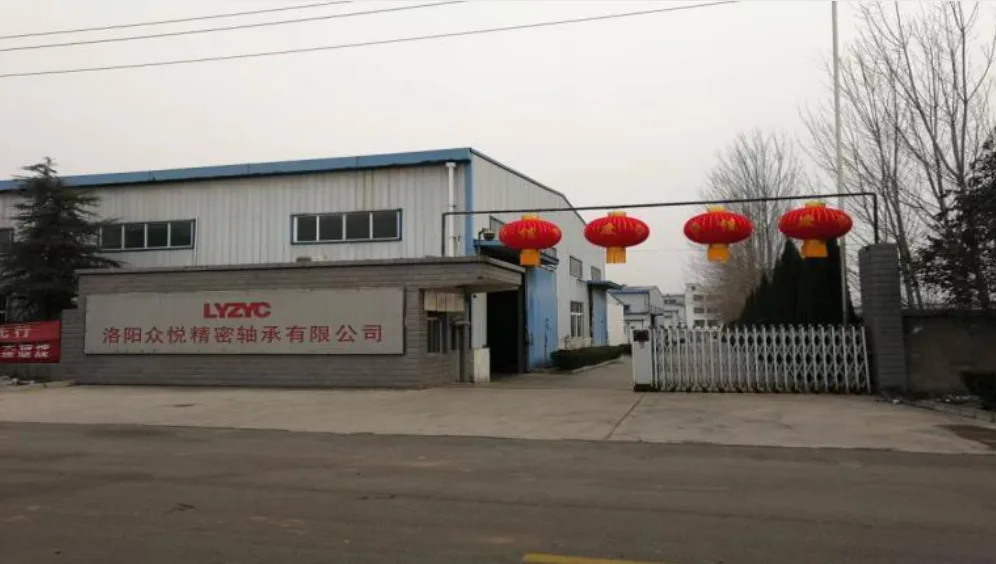
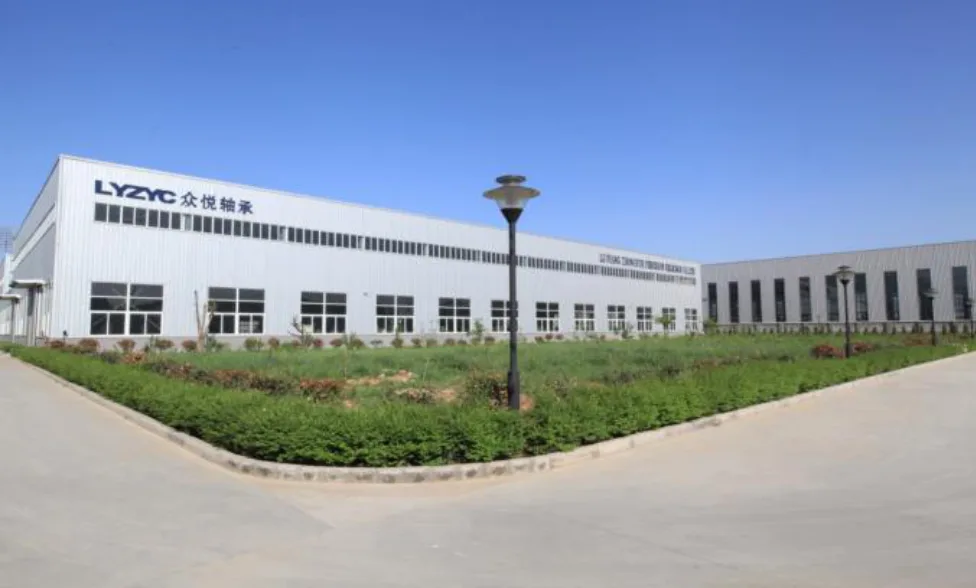
The Zhongyue plant
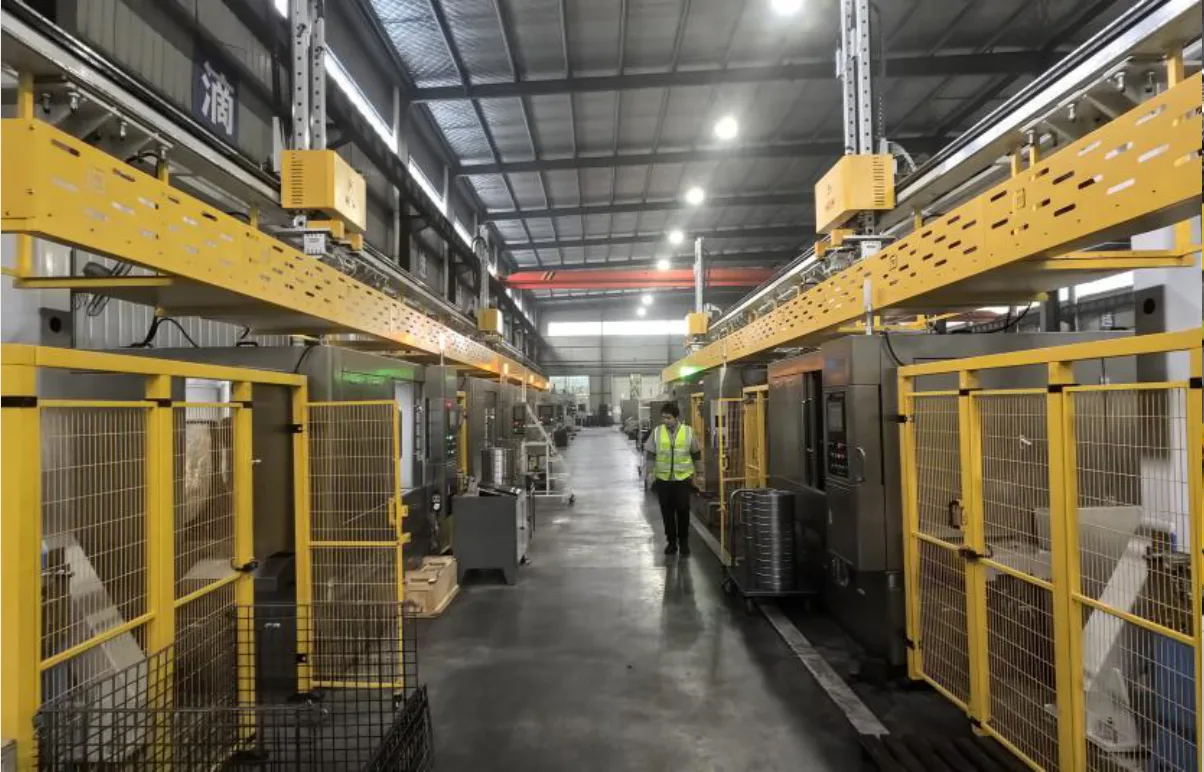
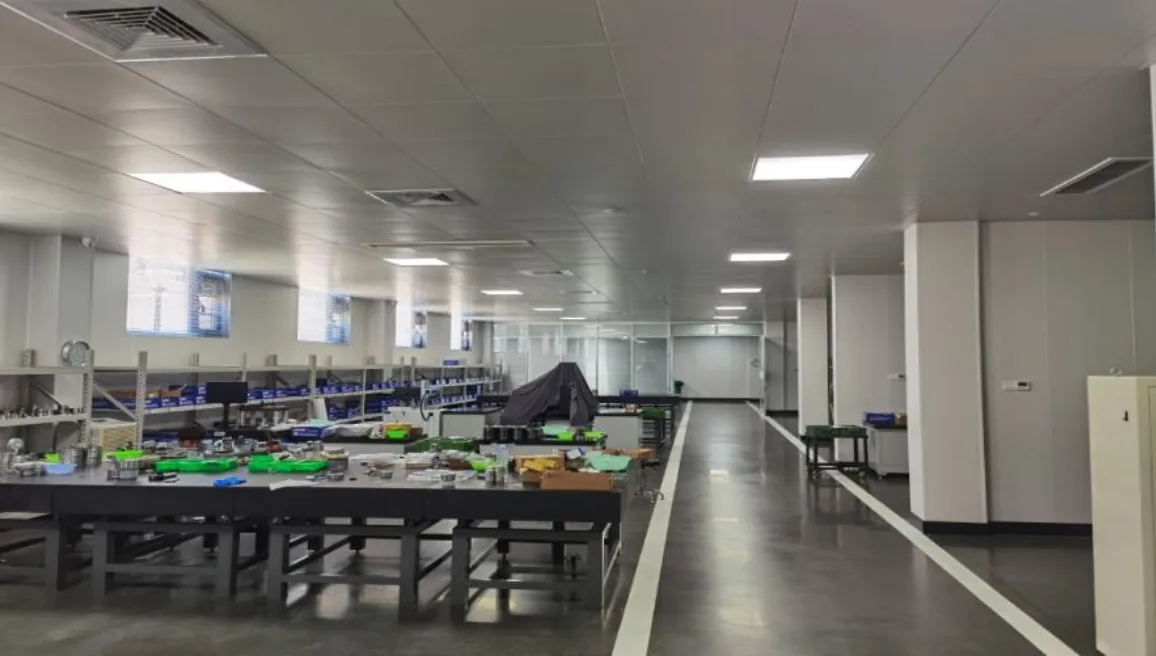
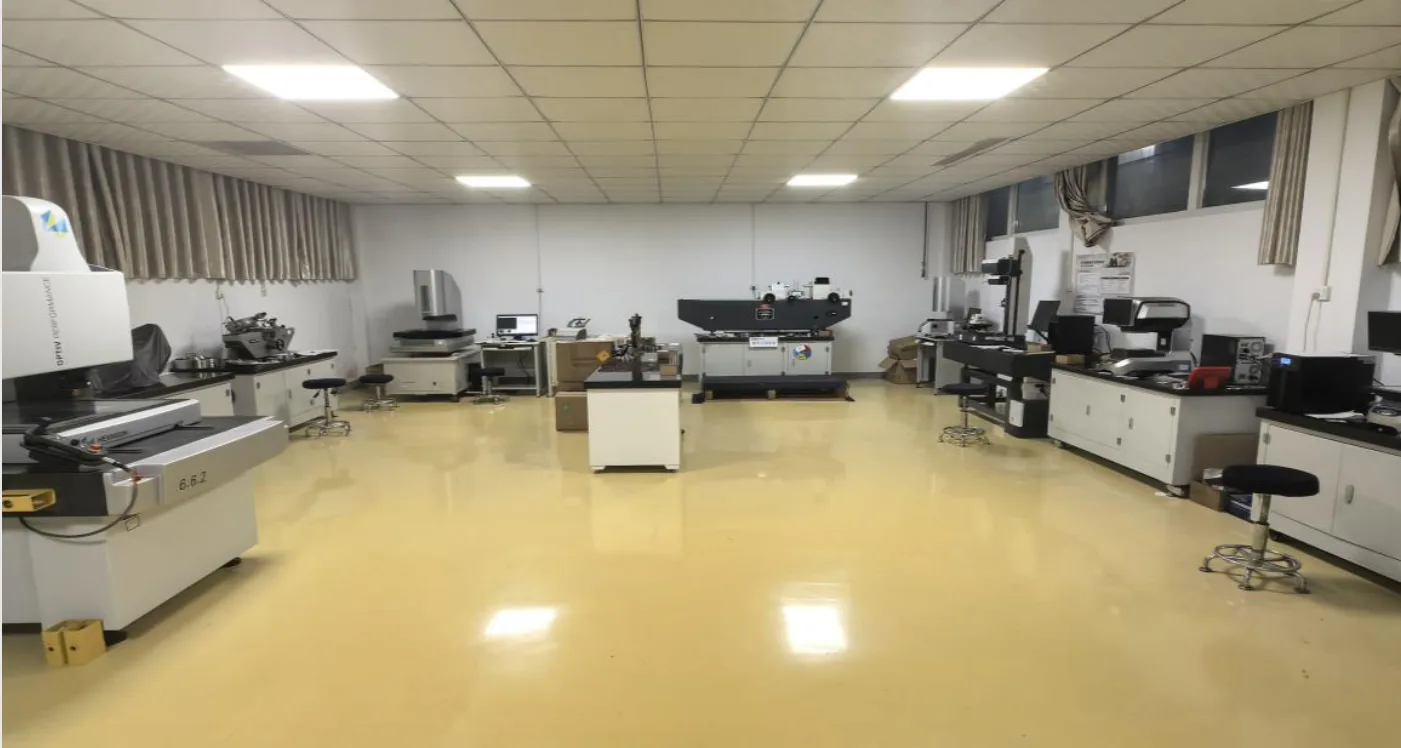
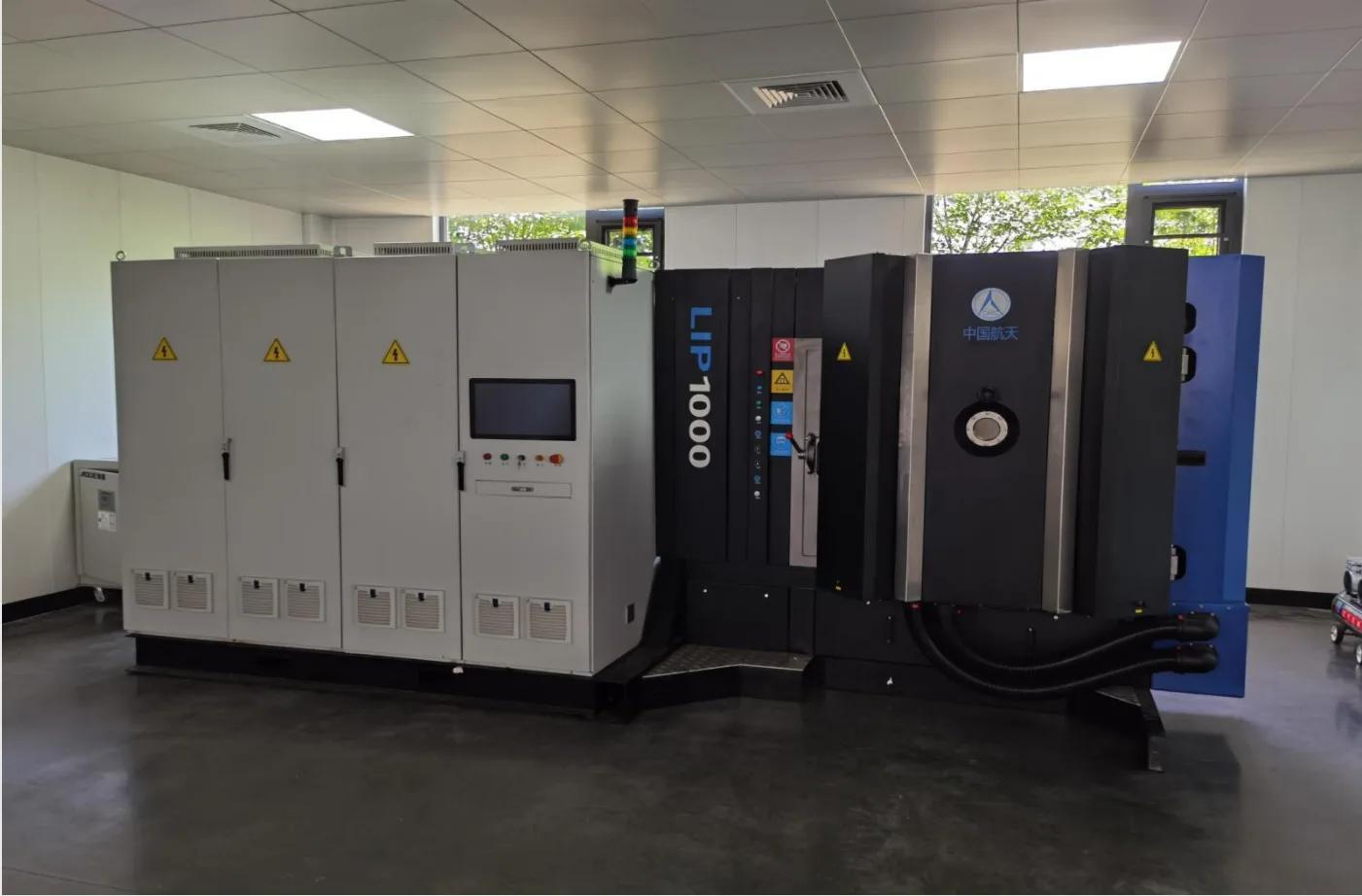
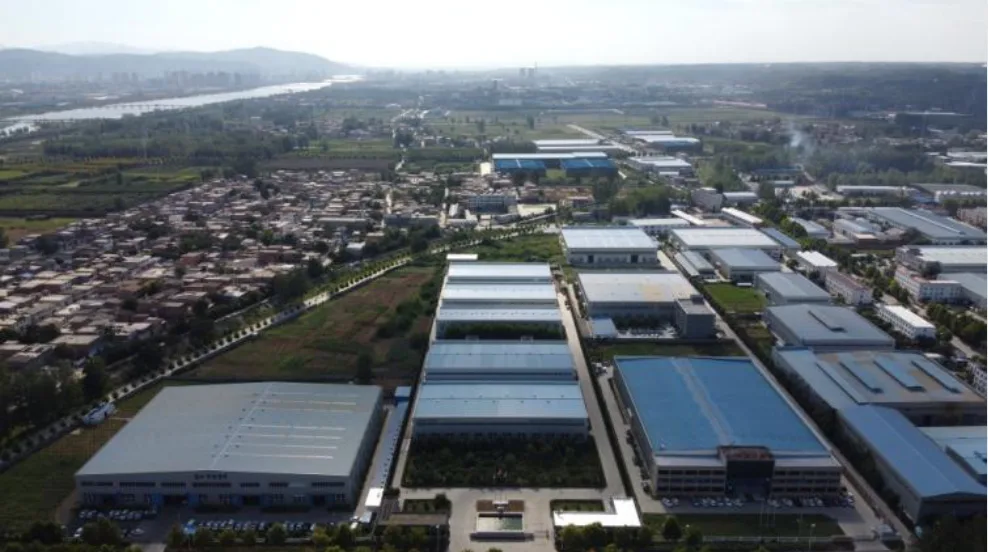
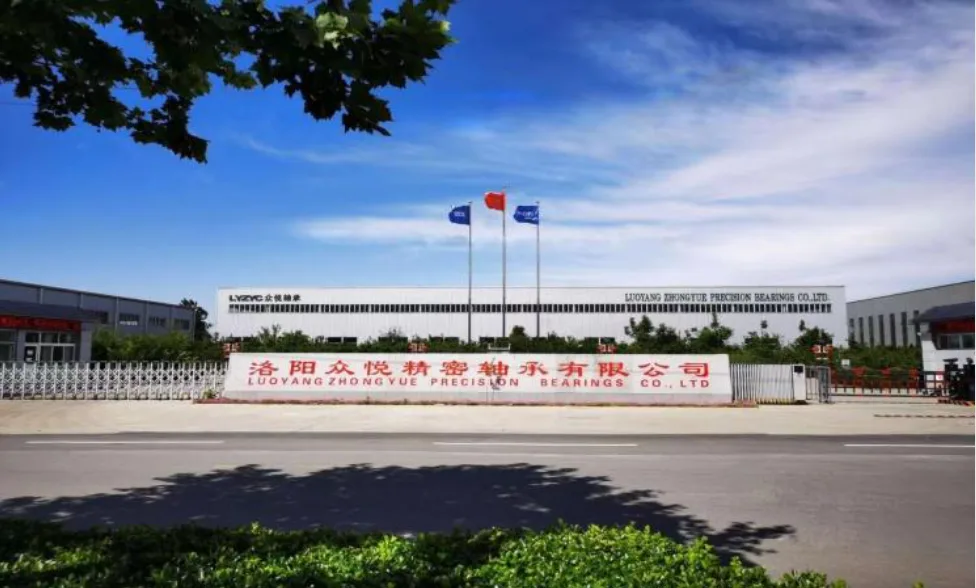
Zhongyue runs two campuses, over 46,000 m² in total, with 30,000+ m² of workshops and offices, 150+ people, 400+ bearing machines, and 500+ inspection instruments.
Machines, metrology, and materials
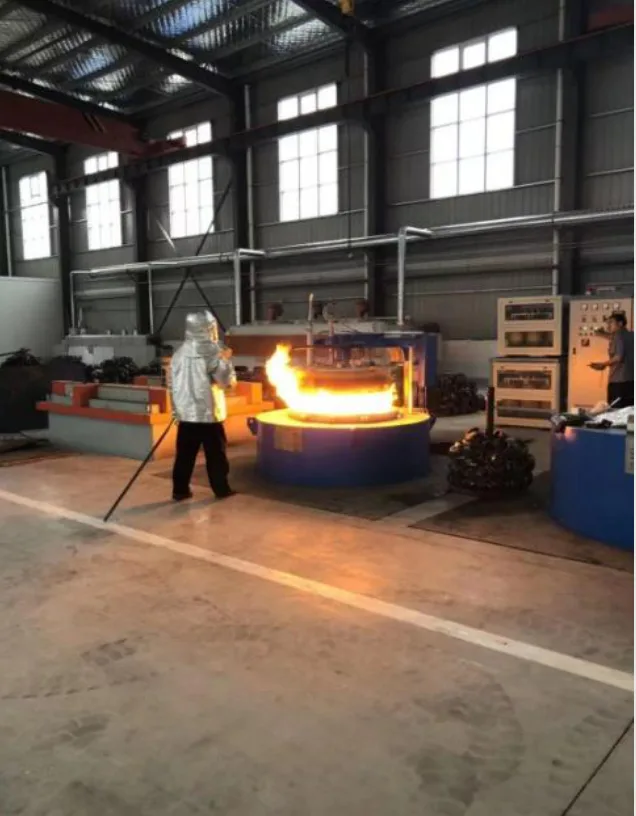
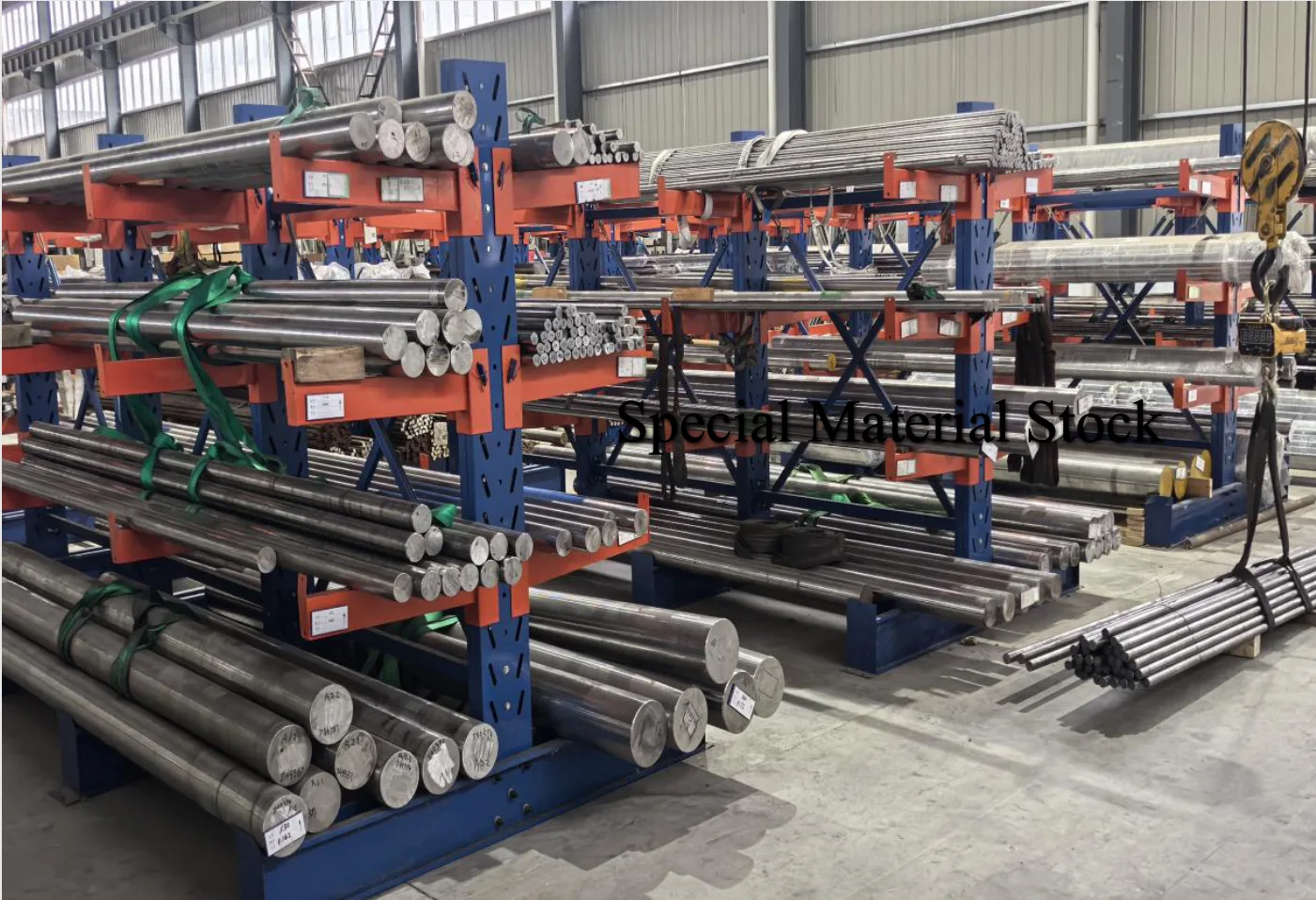
Special-material stock includes bearing steel ZGCr15, stainless 9Cr18 and 9Cr18Mo, high-nitrogen stainless X30 and X40N, and high-temperature steel M50. Heat treatment includes vacuum quenching and a cryogenic treatment step at −196°C. That step is part of manufacture, not a running-temperature rating.