Electric Spindles
for CNC Machine Tools
CNC Milling · Grinding · High Speed Drive Motors | 0.001mm Runout | Up to 120,000 RPM
27 precision spindle models across three categories — from compact 12kW milling spindles to massive 100kW drive motors. Every spindle dynamically balanced, tested for runout, and shipped with a complete inspection report.
Three Spindle Categories
Select the spindle type for your application
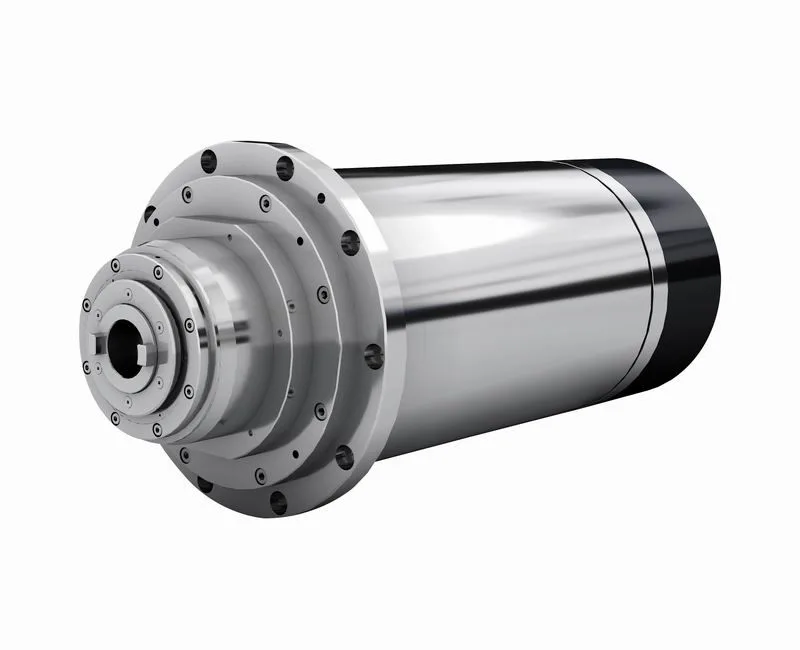
CNC Electrospindle
Milling, machining center, and gun drilling spindles. 14 models, 12–52kW. BT/HSK/ISO tool interfaces. Synchronous and asynchronous motor options for any CNC application.
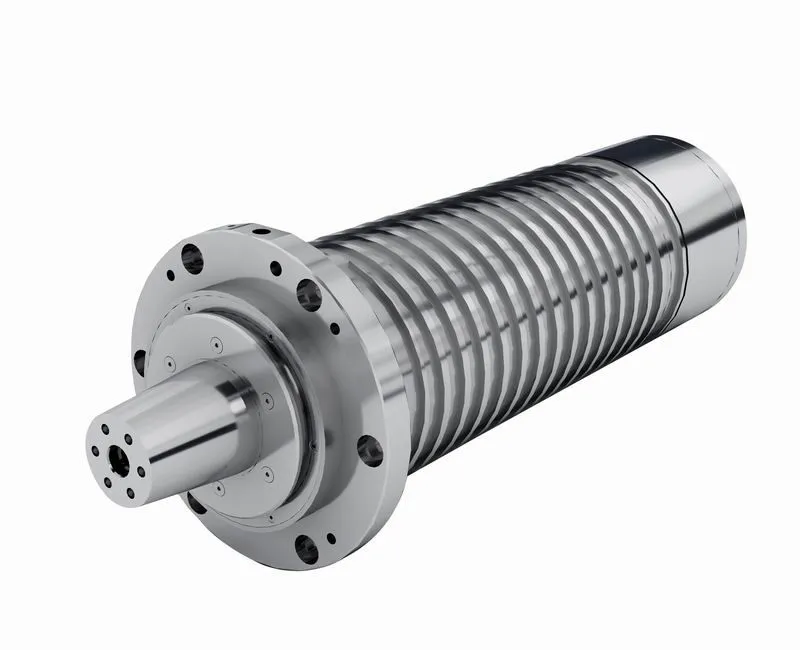
Grinding Spindle
External, internal, and universal grinding spindles. 11 models, 1.5–52kW. P4/P2 bearings for sub-micron runout. Ultra-precision for the finest surface finishes.
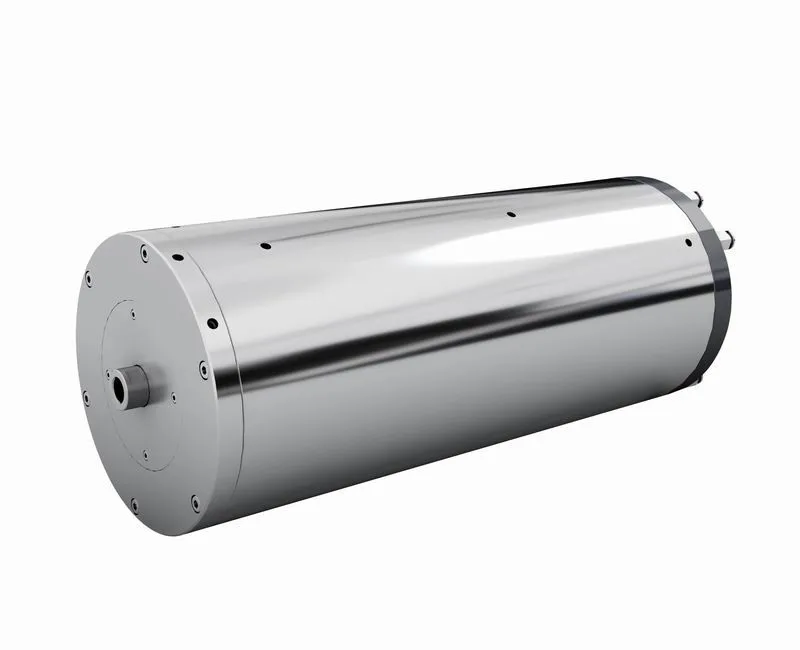
High Speed Motor
Spindle drive motors for heavy-duty machining. 2 models, 80–100kW. Synchronous (servo) and asynchronous types. Liquid-cooled with integrated temperature sensors.
Why Choose Luoyang Songju Electric Spindles
22,000 m² manufacturing facility in Luoyang — 5,000+ spindles delivered in 2025 across 10+ countries. ISO 9001:2015 certified quality management.
0.001mm Runout Accuracy
Every spindle is dynamically balanced and tested for radial and axial runout using laser interferometry. P4/P2 grade precision bearings ensure consistent sub-micron accuracy throughout the spindle's service life — critical for surface finish quality in grinding and high-precision milling applications.
Up to 120,000 RPM
Oil-air and oil-mist lubrication systems enable extreme speed capability for micro-machining and high-precision grinding. Ceramic hybrid bearings (Si3N4 balls) available for ultra-high-speed applications. Direct-drive synchronous motors eliminate gearbox and belt losses for maximum power density.
100% Pre-Shipment Inspection
Every spindle undergoes a comprehensive 8-point inspection protocol: runout measurement, vibration spectrum analysis, temperature rise test, drawbar force verification, tool taper contact check, coolant passage integrity test, sensor function validation, and full-speed run-in test. Inspection video and certificate provided before shipment.
Custom Engineering Support
Our 10 senior spindle engineers provide application-specific design: custom tool interfaces (BT/HSK/ISO/Capto), specialized motor windings, unique cooling channel configurations, and full sensor integration. 2,000 m² R&D center dedicated to spindle innovation with on-site testing capabilities.
Complete Spindle Packages
Every spindle ships as a complete system: spindle unit + drive motor + drawbar/clamping system + lubrication unit + temperature sensors + coolant rotary union. Plug-and-play installation with detailed integration manual and CAD data (STEP/DWG format) included at no extra charge.
Global Spindle Service
5,000+ spindles delivered in 2025 to customers across 10+ countries in Asia, Europe, North America, and South America. Spindle repair and rebuild service available with typical 2-week turnaround. Emergency replacement spindles stocked for popular models. Technical support available in English, Chinese, and Russian.
How to Select the Right Electric Spindle
Six critical parameters to specify for optimal spindle performance in your CNC machine tool application
Application Type — Milling, Grinding, or Drilling?
CNC Milling spindles (12–52kW) need BT/HSK tool interfaces and high torque at mid-range speeds. Grinding spindles (1.5–52kW) require ultra-precision P4/P2 bearings and G0.4 balance for sub-micron surface finishes. Gun drill spindles need deep-hole coolant delivery. High-speed motors (80–100kW) power heavy-duty machining centers. Identify your primary operation first — this determines the spindle category.
Power (kW) & Speed (RPM) Requirements
Power determines material removal rate (MRR). For aluminum milling: 12–20kW typically sufficient. For steel/ titanium roughing: 30–52kW recommended. Speed determines surface finish and tool life: 8,000–15,000 RPM for general machining with carbide tooling, 24,000–45,000 RPM for high-speed micro-machining, 60,000–120,000 RPM for internal grinding with small-diameter wheels. Match both to your tooling catalog and production targets.
Motor Type — Synchronous or Asynchronous?
Synchronous (PMSM): Permanent magnet motors offer precise speed control, constant torque across the speed range, and 94–96% efficiency. Essential for rigid tapping, C-axis positioning, and contour milling. Asynchronous (Induction): Higher power density and lower cost. Best for continuous heavy cutting where precise angular positioning is not required. Luoyang Songju offers both types across the CNC and grinding spindle ranges.
Tool Interface — BT, HSK, ISO, or Capto?
BT40: most common for spindles up to 15,000 RPM and 26kW. BT50: larger flange for heavy roughing, spindles up to 40kW. HSK-A63: hollow shank, high-speed capable, better accuracy at high RPM. HSK-A80/A100: heavy-duty HSK for large machining centers. ISO 40/50: DIN standard, common in European machines. Capto C6/C8: modular tooling systems. Our engineering team helps match the interface to your existing tooling inventory and machine architecture.
Cooling & Lubrication Configuration
Water-jacket cooling: Standard on all spindles ≥12kW. Requires external chiller with minimum 6 L/min flow rate. Grease lubrication: Maintenance-free for standard-duty cycles. Oil-air micro-lubrication: Required for high-duty-cycle applications and speeds above 24,000 RPM. Delivers precisely metered oil to each bearing for optimal film thickness. Dual cooling (water + oil-air): Specified for ultra-high-speed motors operating above 30,000 RPM with high power density.
Housing Dimensions & Machine Integration
Spindle housing diameter must match your machine's spindle cartridge bore. Our range spans: 120mm (compact milling), 150–170mm (medium machining centers), 210–260mm (large VMC/HMC), 287mm (heavy boring/milling). Custom mounting flanges, drawbar configurations, and sensor packages available. We provide 3D STEP models for integration verification before production. Our engineers will review your machine specifications to ensure perfect fitment.
Electric Spindle Applications
Luoyang Songju electric spindles power critical manufacturing operations across diverse industries worldwide
Automotive
Engine blocks, transmission housings, brake components, EV motor casings. High-volume production machining with consistent 0.001mm accuracy.
Aerospace
Turbine components, structural airframe parts, landing gear. Titanium and nickel alloy machining with high-torque synchronous spindles.
Die & Mold
Injection molds, die casting tools, stamping dies. High-speed finishing spindles for superior surface quality on hardened tool steels.
Semiconductor
Wafer processing equipment, vacuum chamber components. Ultra-precision grinding spindles for ceramic and silicon machining.
Medical Devices
Orthopedic implants, surgical instruments, dental components. High-speed spindles for micro-machining titanium and cobalt-chrome alloys.
Energy & Heavy Industry
Wind turbine bearings, hydraulic components, pump housings. Large-scale grinding spindles and high-power drive motors for heavy machining.
Railway & Transportation
Wheelset machining, bearing housings, bogie components. Heavy-duty spindles for railway component manufacturing and maintenance.
General Manufacturing
Job shops, contract manufacturers, educational institutions. Versatile spindle solutions for diverse machining requirements and materials.
Electric Spindle FAQ
What is the difference between an electric spindle and a belt-driven spindle?
An electric (motorized) spindle integrates the motor directly on the shaft, eliminating belts, pulleys, and gearboxes. Benefits: higher speeds (up to 120,000 RPM), zero belt vibration for better surface finish, higher energy efficiency, and compact machine design. Luoyang Songju offers 27 electric spindle models across CNC machining, grinding, and high-speed motor categories.
What tool interfaces do Songju electric spindles support?
We support all major tool interfaces: BT30/BT40/BT50, HSK-A63/HSK-A100/HSK-E40/HSK-E50, ISO 30/40/50, and CAPTO C5/C6/C8. Custom interfaces can be engineered for specific machine requirements. Our CNC electrospindle series features pneumatic/hydraulic drawbar clamping systems compatible with standard tool holders.
How do I choose the right power and speed for my application?
For aluminum and non-ferrous machining, prioritize high speed (24,000-120,000 RPM) with moderate power. For steel and cast iron, select higher torque at lower speeds (6,000-15,000 RPM). For grinding, match wheel peripheral speed (typically 30-60 m/s) to spindle RPM. Our engineering team provides application-specific recommendations based on your workpiece material and production requirements.
Can electric spindles be repaired or rebuilt?
Yes. We offer comprehensive spindle repair and rebuilding services at our Luoyang facility: bearing replacement, rotor rebalancing to G0.4, drawbar system overhaul, cooling system refurbishment, and complete performance recertification. Typical turnaround is 2-3 weeks. Preventive maintenance significantly extends spindle life beyond 15,000 operating hours.
Get a Competitive Quotation
Fill out the form below and our engineering team will respond within 24 hours.
Explore More Products
Browse our full range of precision components
Related Guides
Technical resources to help you specify and select